
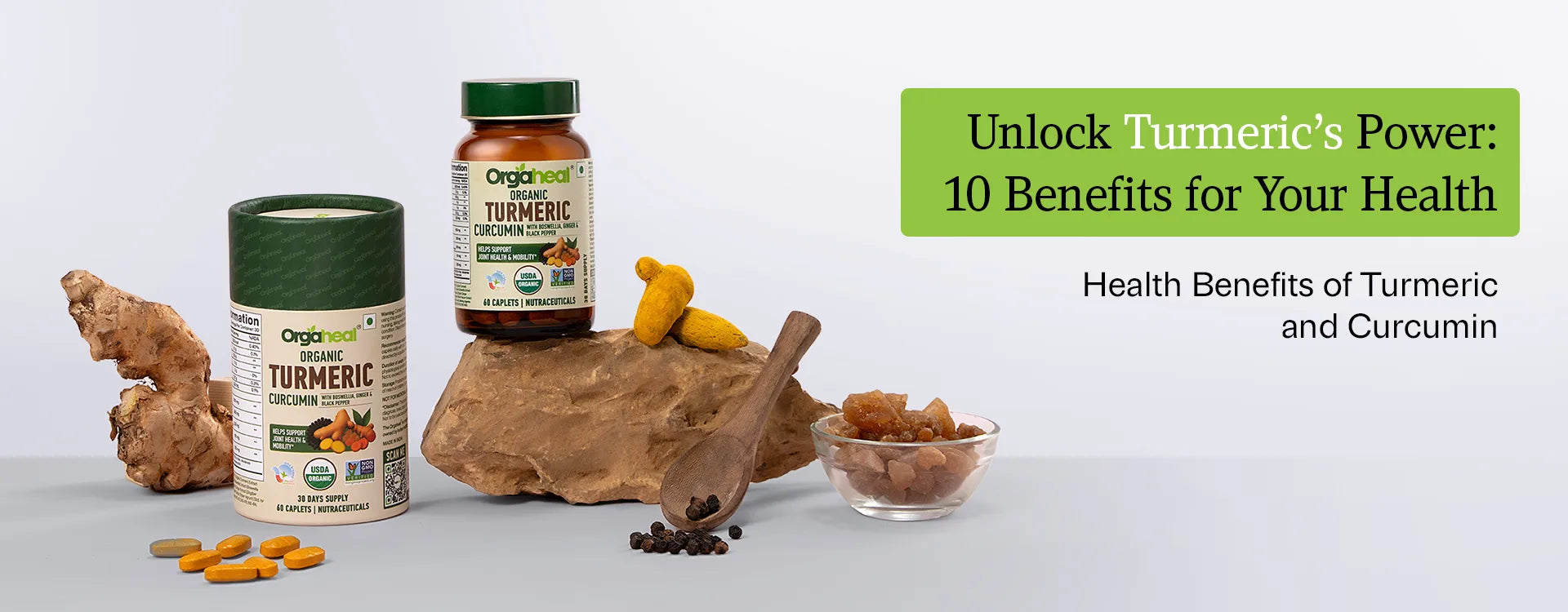
Turmeric, the golden-yellow spice often used in curries and traditional dishes, is more than just a flavorful addition to your meals. Its active compound, curcumin, is renowned for its potent medicinal properties, making turmeric a powerhouse in both culinary and wellness spaces. From promoting joint health to supporting brain function, turmeric has been used for centuries in traditional medicine for its healing properties. Let’s explore 10 health benefits of turmeric and how incorporating it into your routine can enhance your well-being.
1. Natural Anti-Inflammatory Properties
One of the most well-known turmeric benefits is its powerful anti-inflammatory effects. Chronic inflammation is linked to several health conditions, including heart disease, arthritis, and even cancer. Curcumin, the active compound in turmeric, has been shown to help reduce inflammation in the body, making it an excellent natural remedy for inflammatory conditions.
2. Antioxidant Powerhouse
Turmeric is a rich source of antioxidants, which help protect the body from oxidative stress and free radical damage. The health benefits of turmeric include neutralizing these harmful free radicals, which can contribute to aging and disease development. Curcumin boosts the body’s natural antioxidant defenses, helping maintain cellular health and vitality.
3. Supports Joint Health
Turmeric has long been used as a natural remedy for joint pain and inflammation, especially in conditions like osteoarthritis and rheumatoid arthritis. Curcumin’s anti-inflammatory properties help reduce swelling and pain, improving joint mobility and function. Regular consumption of turmeric may help alleviate discomfort associated with joint stiffness and swelling.
4. Promotes Heart Health
Curcumin plays a key role in promoting heart health by improving blood flow, reducing inflammation, and supporting healthy cholesterol levels. Research suggests that turmeric can help lower bad cholesterol (LDL) while increasing good cholesterol (HDL), contributing to better cardiovascular health. Additionally, it may help reduce the risk of blood clots and support a healthy circulatory system.
5. Boosts Brain Function
Curcumin has neuroprotective properties that can help support cognitive health. Studies show that curcumin may increase brain-derived neurotrophic factor (BDNF), a protein linked to improved brain function and the growth of new brain cells. By boosting BDNF levels, turmeric may help improve memory, learning, and protect against age-related cognitive decline.
6. Supports Digestive Health
Turmeric has long been used as a digestive aid, thanks to its ability to promote bile production and support proper digestion. The health benefits of turmeric also include its ability to soothe an irritated digestive tract and support healthy gut function. It can help alleviate symptoms of indigestion, bloating, and gas, promoting overall digestive health.
7. Enhances Skin Health
Turmeric has been used for centuries in skincare due to its anti-inflammatory and antioxidant properties. Curcumin helps fight off skin irritation, redness, and conditions like eczema and psoriasis. Additionally, turmeric’s antimicrobial properties can help prevent acne by reducing inflammation and controlling the bacteria that cause breakouts. Applying turmeric topically can also brighten the skin and promote a healthy, glowing complexion.
8. Helps with Weight Management
Curcumin may play a role in supporting healthy weight management by boosting metabolism and promoting fat breakdown. Some studies have found that turmeric helps reduce fat accumulation in the body, supporting weight loss efforts. By decreasing inflammation in fat cells, turmeric can aid in maintaining a healthy weight when combined with a balanced diet and regular exercise.
9. Enhances Liver Function
Turmeric supports liver health by promoting detoxification and the elimination of toxins from the body. Curcumin has been shown to protect the liver from damage caused by toxins and oxidative stress, which can improve liver function and aid in the detoxification process. Regular consumption of turmeric may help maintain a healthy liver and prevent liver disease.
10. Improves Mood and Reduces Depression Symptoms
Research has suggested that curcumin has antidepressant-like effects. By increasing the levels of neurotransmitters like serotonin and dopamine in the brain, turmeric can help improve mood and reduce symptoms of depression and anxiety. Some studies have even shown that curcumin may be as effective as certain antidepressant medications in alleviating depression symptoms.
Why Turmeric Matters?
The health benefits of turmeric are vast and supported by centuries of use in traditional medicine. Whether you're looking to improve your joint health, enhance brain function, or support your digestive system, turmeric is a simple yet powerful addition to your wellness routine. Incorporating turmeric into your diet through supplements, teas, or curries can help you take advantage of its incredible healing properties, leading to a healthier, more vibrant life.